Joseph H. Neumann

President 1957 – 1962

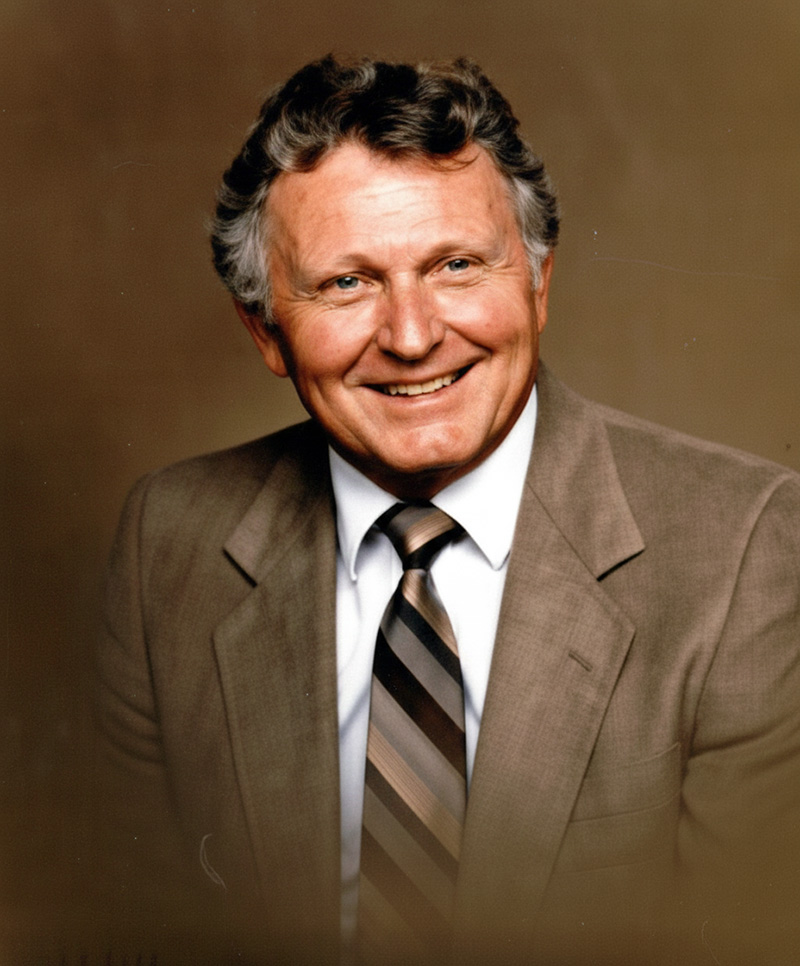
James J. Neumann

President 1962 – 1994

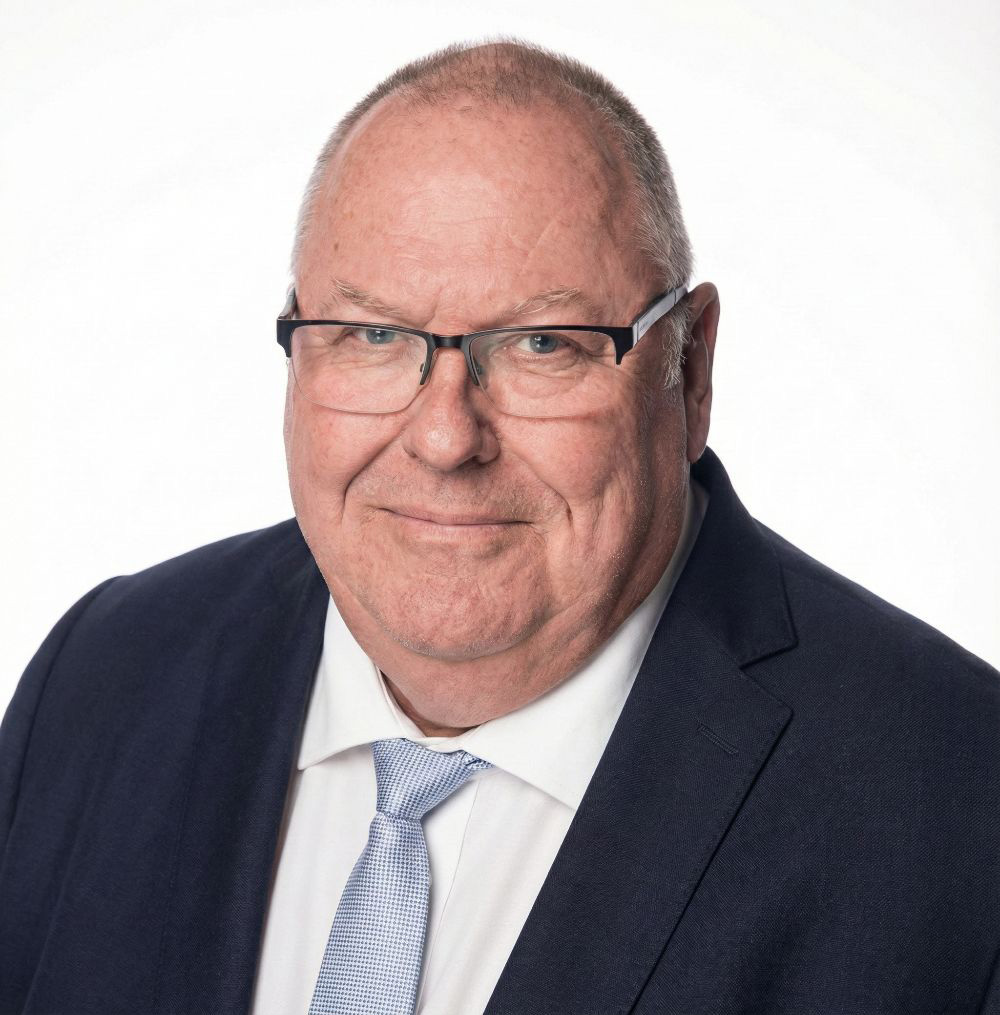
Philip J. Neumann

President 1994 – 2023

Bradley Wilhelm

President 2023 – Current

1950s

Universal Contracting Corporation was founded on July 1, 1957, with Joseph A. Neumann as it’s first President. Our first project was constructing the new St. Margaret Mary Church, establishing Universal’s early commitment to craftsmanship and community. We demolished the original mission-style church in 1959, began excavation, and placed the new cornerstone that May. During construction, parish volunteers converted the existing school cafeteria into a temporary worship space, while priests lived in a house trailer. The new church was dedicated on March 27, 1960, marking a defining early achievement and the beginning of Universal’s long partnership with the Archdiocese of Cincinnati.

50s
1960s

In 1962, James J. Neumann became President as Universal continued expanding its portfolio. During this decade, we began major work at GE Evendale, Xavier University, Formica, and Hilton Davis. Our first Xavier project was the renovation of Bellarmine Chapel, and we also completed work at Villa Madonna College, later renamed Thomas More College in 1968. Cincinnati’s suburban building boom in the late 1960s fueled significant growth in church, school, and commercial construction, positioning Universal as a trusted contractor across the region.

universal_1960_timeline
1970s

From 1970 to 1975, Universal delivered key projects including the United States Shoe Corporation Building, Little Sisters of the Poor, and several of the first buildings on Northern Kentucky University’s campus. In 1975, we completed a major renovation of Cincinnati Music Hall, adding the orchestra pit, and also completed the Riverfront Coliseum (now the Heritage Bank Arena). By 1978, Universal contributed to the transformation of Fountain Square, completing extensive renovation work that helped modernize one of Cincinnati’s most iconic public spaces.

70s
1980s

Universal continued to grow through the 1980s, completing a major renovation of the Hamilton County Administration Building on Court Street in 1986. In 1989, we helped revitalize Piatt Park, installing illuminated archways, crafting Brazilian hardwood benches with integrated lighting, relocating the statues of Presidents Benjamin Harrison and James A. Garfield, and building the park’s reflecting pools — creating a lasting civic landmark.

80s
1990s

In December 1993, Universal moved its headquarters to 5151 Fishwick Drive, where the company remains today. A year later, in 1994, Philip J. Neumann became President. The decade also included notable recognition when Jim Neumann received the Spirit of Construction Award in 1997, highlighting Universal’s reputation for leadership and excellence in the industry.

90s
2000s

As Universal entered the 2000s, continued growth led to the addition of a new office expansion and warehouse in 2000. The company celebrated its 50th anniversary in 2007, marking five decades of steady progress. In 2008, Universal began its long-term partnership with Duke Energy, taking on projects across their regional footprint.

00s
2010s

Universal expanded into new markets and project types during the 2010s. In 2013, we began work at Resilience (formerly Amylin/AstraZeneca). Two years later, in 2015, we completed the award-winning Smale Riverfront Park project, including Carol Ann’s Carousel, the Pichler Fountains, and Anderson Pavilion — earning the Build Ohio Award for New Construction Under $30 Million. In 2019, Phil Neumann received the Spirit of Construction Award, recognizing his leadership and contributions to the region’s construction industry.

10s
2020s

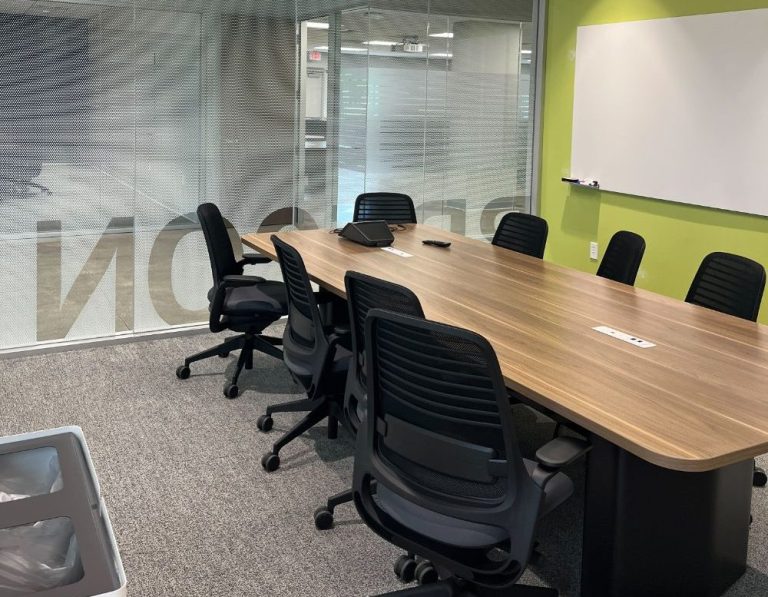
Universal continues to build on its legacy of excellence into the 2020s. In 2023, Brad Wilhelm became President, leading the company into a new era of growth, innovation, and service to the communities we proudly help build. To support this momentum, Universal will renovate its office in 2026, adding more offices and conference rooms to better accommodate its expanding staff and evolving operational needs.

20s